Top 7 Expense Lite Hacks for College Students on a Shoestring Budget


Table of Contents
College life is an exhilarating whirlwind of challenging lectures, late-night study sessions, and newfound independence. However, alongside the thrill of this new chapter comes a harsh, unavoidable reality check: managing your own finances. When you are surviving on a shoestring student budget, every single penny counts. A spontaneous pizza run, a few too many campus lattes, or an impromptu weekend trip can easily derail your monthly finances, leaving you stressed and scrambling before the semester even hits midterms.
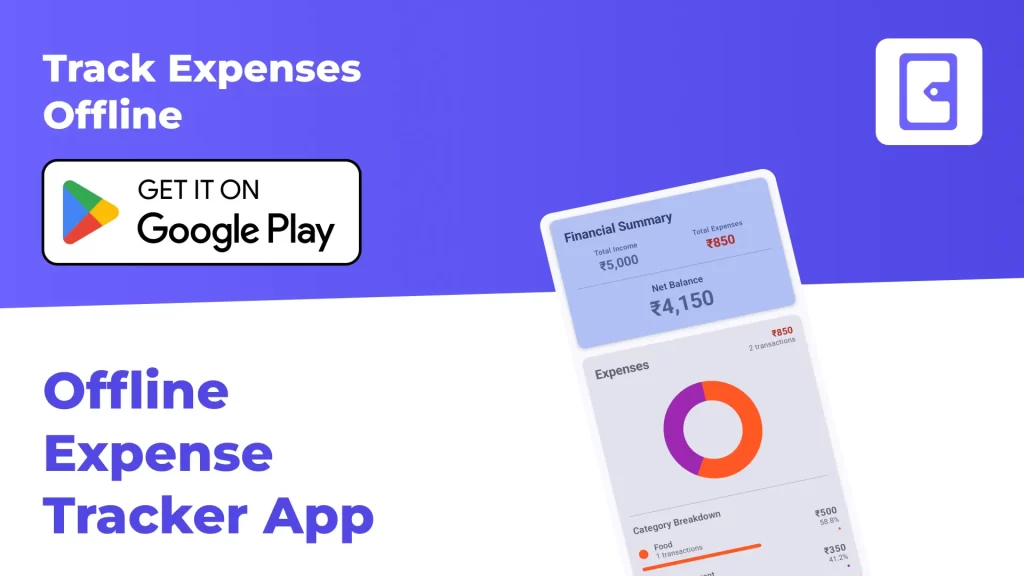
Managing your money in college doesn’t mean you need a degree in accounting or hours spent staring at complex, intimidating spreadsheets. By adopting a minimalist, tech-forward approach to budgeting utilizing tools like Expense Lite by PlanckStudio you can take absolute control of your financial life without sacrificing the college experience. A streamlined app cuts out the noise, giving you exactly what you need to track, manage, and optimize your limited funds.
If you want to graduate with great memories rather than a mountain of unnecessary debt, here are the top seven Expense Lite hacks designed specifically for college students looking to stretch their money further.
Master the Art of Effortless Tracking
The foundation of any successful budget is understanding exactly where your money is going. Traditional budgeting methods fail students because they are too time-consuming. When you are rushing between classes, you need a system that is fast and frictionless.
Hack 1: Embrace the “Micro-Logging” Habit
Most students are relatively good at remembering their large expenses, like tuition or monthly rent. The real danger to a shoestring budget lies in the “invisible” micro-expenses. That quick cup of coffee, the printing fee at the library, a quick snack from the vending machine, or splitting a cab fare with a friend these tiny transactions bleed your budget dry.
The ultimate hack is to embrace micro-logging. The moment a transaction occurs, open your Expense Lite app and log it. Because the app is designed to be lightweight and fast, this takes less than ten seconds. Do not wait until the end of the day or the end of the week, because you will inevitably forget the small purchases. By building the muscle memory to log expenses immediately, you eliminate financial blind spots and maintain an accurate, real-time picture of your remaining funds.
Hack 2: Create Custom, “Student-Centric” Categories
Most traditional finance apps come pre-loaded with adult categories like “Mortgage,” “Home Maintenance,” or “Childcare.” These are irrelevant to you and clutter your tracking interface. To get the most out of an Expense Lite approach, you need to ruthlessly customize your categories to reflect your actual college lifestyle.
Instead of a broad “Food” category, split it into “Groceries,” “Campus Cafeteria,” and “Late-Night Takeout.” Instead of “Transportation,” use “Bus Pass” and “Rideshares/Cabs.” You might even want a specific category for “Course Materials” versus “Social Events.” By creating highly specific, student-centric categories, your Expense Lite reports will suddenly become incredibly revealing. You might realize you are spending a shocking amount of your monthly allowance specifically on late-night takeout, allowing you to target that exact behavior for improvement.
Curb Impulse Buying and Set Firm Boundaries
College campuses are designed for convenience, which makes them a minefield for impulse buying. When your budget is tight, you must establish strict psychological and digital boundaries to protect your cash.
Hack 3: Set and Respect Visual Budget Limits
One of the most powerful psychological tricks in personal finance is visualization. Numbers on a screen can feel abstract, but a progress bar slowly turning from green to red triggers a visceral response. Utilize your app’s budget limit features to assign strict spending caps to your most problematic categories.
If your entertainment budget for the month is limited, set that exact number as a hard limit in the app. Whenever you check your Expense Lite dashboard, you will see a visual representation of how close you are to hitting your ceiling. When you can physically see that ordering another takeout meal will push your food budget bar into the red zone for the rest of the month, you are far more likely to head to the kitchen and cook the groceries you already have.
Hack 4: Implement the “24-Hour Cooldown” Rule alongside App Checks
FOMO (Fear Of Missing Out) is the enemy of the shoestring budget. Whether it is a flash sale on a piece of tech, concert tickets, or a trendy piece of clothing, the urge to buy immediately is strong.
Combine your Expense Lite tracking with the “24-Hour Cooldown” rule. When you feel the urge to make a non-essential purchase, open your app first. Look at your current financial standing. If the budget technically allows for it, force yourself to wait exactly 24 hours before completing the transaction. During this cooldown period, the emotional high of the impulse fades. More often than not, you will wake up the next day realizing you don’t actually need the item, and you’ll be grateful you kept the funds in your account.
Maximize Savings on a Micro Scale
When your income is low, you cannot out-earn your spending habits. You have to learn how to stretch every single rupee further and eliminate financial waste.
Hack 5: Audit Your Subscriptions Religiously
In the digital age, students are bombarded with subscription services. Streaming platforms, premium study apps, music services, and software subscriptions can quietly drain your bank account month after month. Many students sign up for free trials to access a single resource and completely forget to cancel before the auto-renewal hits.
Use your Expense Lite app to create a dedicated tag or category for “Recurring Subscriptions.” Once a month, review this specific list. Are you really using all three streaming services? Are you paying for a premium fitness app you haven’t opened since last semester? Cancel the services you are no longer actively using, and look into student discounts for the ones you decide to keep. You can often cut your subscription costs in half just by verifying your student email address.
Hack 6: The “Leftover Roll-Over” Game
Budgeting doesn’t have to be a depressing chore you can actually gamify the process to encourage saving. At the beginning of the month, set a realistic but challenging budget in your app. As the month progresses, your goal is to deliberately underspend in your flexible categories, like entertainment and dining out.
When the month ends, look at the surplus funds you managed to preserve. Instead of letting that money absorb into next month’s general spending, “roll it over” into a dedicated savings or emergency fund. Seeing that small amount grow month by month turns saving from a restriction into a rewarding game. Even if you only save a tiny amount each month, building the habit of living below your means is an invaluable educational experience.
Build Sustainable Habits for the Future
Financial literacy is not something you achieve overnight it is a habit built through consistent review and mindful adjustments.
Hack 7: The Sunday “Financial Detox” Routine
The most crucial hack for using any expense tracking tool effectively is consistency in review. Logging your expenses is only half the battle analyzing the data is where the real financial education happens.
Carve out ten to fifteen minutes every Sunday evening for a “Financial Detox.” Open your Expense Lite dashboard and review the past week. Look at the graphs and charts. Did you stay within your limits? Were there any unexpected expenses that caught you off guard? If you overspent, do not beat yourself up simply adjust your behavior for the upcoming week. Perhaps you need to pack lunches for the next few days to offset the weekend’s expenses. This weekly check-in keeps you accountable, prevents financial anxiety from building up, and ensures you start every Monday with a clear, strategic financial plan.
Conclusion
Surviving college on a shoestring budget is a common rite of passage, but it does not have to be a constant source of anxiety. By adopting a minimalist, tech-driven approach to your personal finances, you empower yourself to make smarter, more intentional decisions. Tools like Expense Lite strip away the complexity of traditional accounting, leaving you with an intuitive, real-time snapshot of your financial health. By mastering micro-logging, customizing your categories, setting visual boundaries, and consistently reviewing your habits, you do more than just survive until the end of the month. You actively build a foundation of robust financial literacy that will serve you long after you graduate and enter the professional world. Stay consistent, track mindfully, and let your budget work for you.